Nestled in the ancient city of Aleppo, the Baron Hotel stands as a testament to Syria's rich and multifaceted history. With its blend of European architectural elegance and Middle Eastern charm, the Baron Hotel has played host to countless luminaries, statesmen, and adventurers since its establishment. This article delves into the storied past, architectural significance, and cultural impact of this iconic establishment.
Origins and Establishment
The Baron Hotel was founded in the early 20th century by the Armenian Mazloumian family. The patriarch, Arshak Mazloumian, envisioned creating a luxurious haven for travelers along the ancient trade routes. Construction began in 1909, and the hotel officially opened its doors in 1911. At that time, Aleppo was a thriving commercial hub, and the hotel quickly became a symbol of cosmopolitan sophistication.
Architectural Grandeur
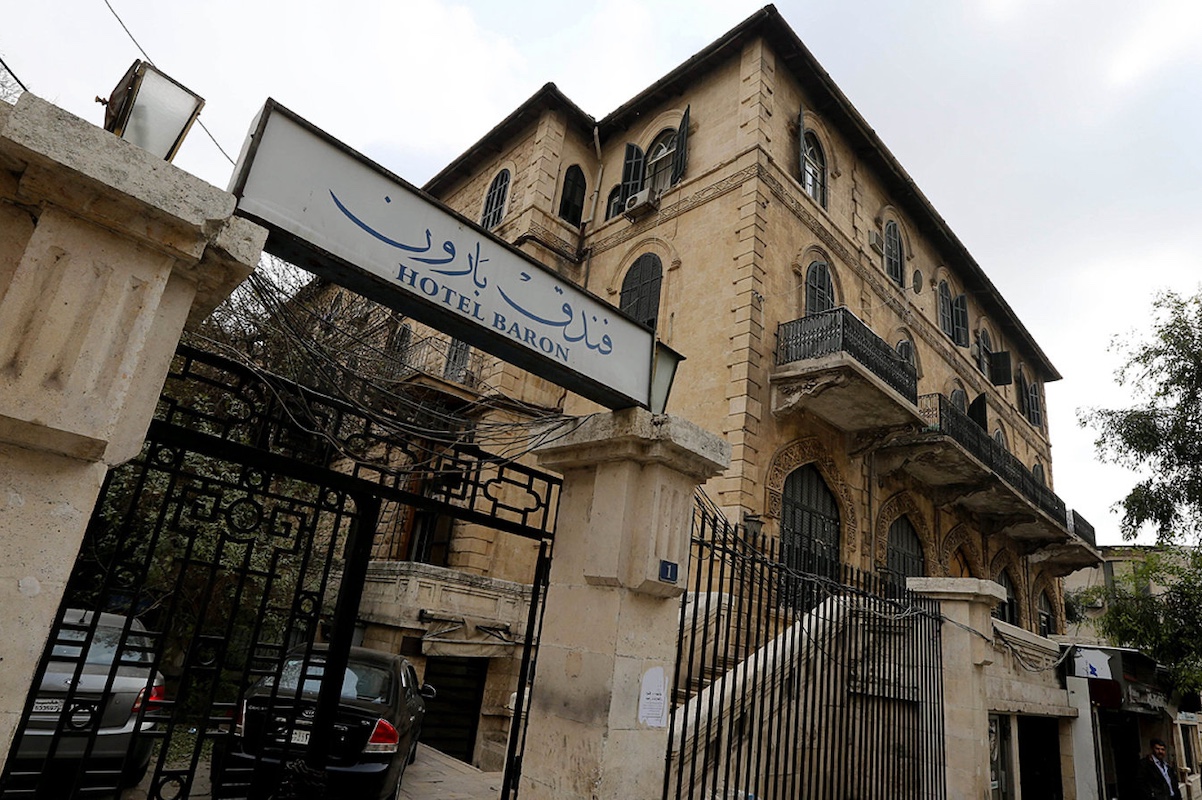
Designed with a distinctive blend of European and Ottoman influences, the Baron Hotel boasts an imposing façade characterized by arched windows, grand balconies, and ornate stonework. The interior features high ceilings, marble floors, and rich wood paneling, evoking a sense of timeless elegance. The centerpiece of the lobby is a grand staircase, which has witnessed the footsteps of many notable guests over the decades.
Historical Significance
World War I and the Ottoman Empire
During World War I, the Baron Hotel served as a crucial meeting place for military officers and diplomats. The hotel’s strategic location made it a focal point for discussions and negotiations. In particular, it was frequented by officers of the Ottoman Empire and later by British and French forces after the Ottoman withdrawal from the region.
The French Mandate and World War II
Following the collapse of the Ottoman Empire, Syria fell under the French Mandate. During this period, the Baron Hotel continued to thrive, attracting European tourists, archaeologists, and journalists. The hotel’s guest list from the 1920s and 1930s reads like a who’s who of the era’s intellectual and political elite. T.E. Lawrence, better known as Lawrence of Arabia, famously stayed at the Baron, and his unpaid bar tab remains framed in the lobby as a quirky historical artifact.
During World War II, the hotel again became a hive of activity. Allied forces used it as a base, and its rooms were filled with officers and spies. The atmosphere was one of intrigue and suspense, as key decisions and clandestine meetings took place within its walls.
Post-War Period and Syrian Independence
With Syria’s independence in 1946, the Baron Hotel continued to be a landmark of luxury and sophistication. It hosted numerous dignitaries, including King Faisal of Iraq, Charles de Gaulle, and Agatha Christie, who is said to have written part of her novel "Murder on the Orient Express" while staying at the hotel. The Baron also became a cultural hub, regularly hosting concerts, exhibitions, and literary gatherings.
The Baron in Modern Times
Challenges and Resilience
The latter half of the 20th century brought its own set of challenges to the Baron Hotel. Political instability, economic difficulties, and regional conflicts affected tourism and the hotel’s operations. Despite these challenges, the Mazloumian family continued to maintain the hotel, preserving its historic charm and legacy.
Syrian Civil War Impact
The onset of the Syrian Civil War in 2011 brought unprecedented hardship to the Baron Hotel and Aleppo at large. The hotel found itself at the heart of a war zone, with much of the city suffering extensive damage. The Baron was not immune to the conflict, sustaining damage from shelling and looting. However, the spirit of the Baron endured, symbolizing resilience amidst chaos.
Restoration Efforts
In recent years, efforts have been underway to restore the Baron Hotel to its former glory. International organizations, heritage preservationists, and the Mazloumian family have been involved in initiatives aimed at repairing the damage and revitalizing the hotel. These efforts are not merely about bricks and mortar but about preserving a crucial piece of Syrian and world history.
Cultural Impact
The Baron Hotel is more than just a building; it is a cultural icon. Its walls have witnessed pivotal moments in history, its halls have echoed with the conversations of legends, and its rooms have provided refuge to those shaping the world. The hotel has been immortalized in literature, film, and art, symbolizing the intersection of history and hospitality.
Literature and Film
The Baron Hotel has inspired numerous writers and filmmakers. Agatha Christie’s connection to the hotel adds a layer of literary mystique. Additionally, the hotel has featured in various documentaries and films, highlighting its historical and cultural significance.
Symbol of Aleppo’s Legacy
For the people of Aleppo, the Baron Hotel represents a bygone era of elegance and cosmopolitanism. It is a reminder of the city’s rich cultural tapestry and its role as a crossroads of civilizations. The hotel’s legacy is intertwined with the identity of Aleppo itself, serving as a beacon of hope and continuity in turbulent times.
The Baron Hotel stands as a monument to history, resilience, and the enduring human spirit. From its inception in the early 20th century to its survival amidst modern-day conflict, the hotel has remained a symbol of elegance and perseverance. As restoration efforts continue, the Baron Hotel promises to once again welcome travelers from around the world, offering them not just a place to stay, but a journey through time.