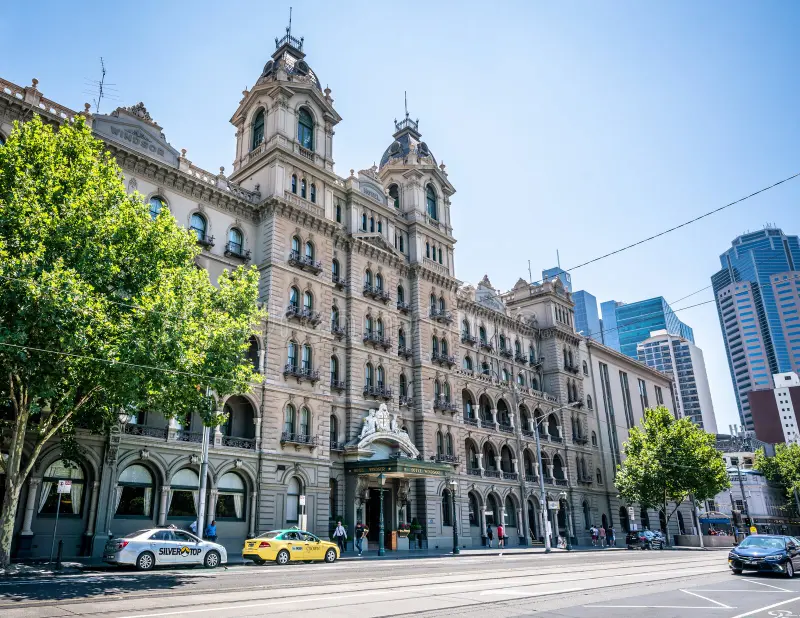
Nestled in the heart of Melbourne, The Hotel Windsor stands as a testament to the city's rich history and architectural grandeur. As one of Australia's most iconic hotels, it has welcomed dignitaries, celebrities, and travelers for over a century. This article delves into the storied past, architectural significance, cultural impact, and modern evolution of The Hotel Windsor.
Historical Background
Origins and Early Years
The Hotel Windsor, originally named The Grand Hotel, was conceived during a time when Melbourne was experiencing rapid growth and prosperity, known as the Victorian Gold Rush era. Opened in 1883, the hotel was designed by Charles Webb, a prominent architect responsible for many of Melbourne's notable buildings. The Grand Hotel was the brainchild of George Nipper, a local businessman who envisioned a luxurious establishment to rival the finest hotels in Europe.
In 1886, the hotel was acquired by shipping magnate James Munro, who expanded and renovated the property, adding a grand ballroom and several opulent suites. It was during this period that the hotel was renamed The Windsor in honor of a planned visit by the Prince of Wales, later King Edward VII. Although the royal visit never materialized, the name stuck and has been synonymous with elegance and luxury ever since.
The Golden Era
The early 20th century marked the golden era of The Hotel Windsor. It became a social hub for Melbourne's elite, hosting lavish parties, political gatherings, and cultural events. During World War II, the hotel served as a meeting place for military personnel and a venue for significant wartime discussions.
Architectural Significance
Design and Style
The Hotel Windsor is an exemplary model of Victorian architecture with its Italianate style. Charles Webb's design incorporated grand facades, elaborate cornices, and intricate ironwork that reflected the opulence of the time. The hotel's interior boasted high ceilings, grand staircases, and elegant chandeliers, creating an ambiance of sophistication and charm.
Renovations and Preservation
Throughout its history, The Hotel Windsor has undergone several renovations to maintain its grandeur while adapting to modern needs. Notable renovations took place in the 1920s and 1980s, ensuring the preservation of its historical features. The hotel's commitment to retaining its architectural integrity has made it a heritage-listed site, recognized for its cultural and historical significance.
Cultural Impact
Literary and Artistic Connections
The Hotel Windsor has played a significant role in Australia's literary and artistic circles. It has been a favorite haunt of writers, artists, and intellectuals. Famous guests include author Mark Twain, who stayed at the hotel during his 1895 lecture tour, and renowned opera singer Dame Nellie Melba. The hotel's rich history and elegant ambiance have inspired numerous works of literature and art.
Political and Social Hub
Throughout its history, The Hotel Windsor has been a venue for important political and social events. It has hosted numerous prime ministers, governors, and international dignitaries. The hotel's ballroom and meeting rooms have been the setting for significant political discussions, including the drafting of the Australian Constitution in 1898.
Modern Evolution
Contemporary Luxury
In the modern era, The Hotel Windsor has successfully blended its historic charm with contemporary luxury. Recent renovations have updated the hotel's amenities while preserving its Victorian elegance. Guests can enjoy modern comforts such as high-speed internet, state-of-the-art fitness facilities, and gourmet dining options, all within the context of a heritage setting.
Culinary Excellence
The Hotel Windsor is renowned for its culinary offerings. Its restaurant, One Eleven Spring Street, offers a sophisticated dining experience with a focus on local and seasonal ingredients. The hotel's traditional afternoon tea service, held in the grand dining room, is a cherished Melbourne tradition, attracting locals and visitors alike.
Commitment to Sustainability
In recent years, The Hotel Windsor has embraced sustainable practices to reduce its environmental impact. Initiatives include energy-efficient lighting, water conservation measures, and sourcing ingredients from local and sustainable producers. These efforts reflect the hotel's commitment to preserving not only its historical legacy but also the environment for future generations.
The Hotel Windsor stands as a living monument to Melbourne's rich history and cultural heritage. From its Victorian architectural splendor to its role in political and social history, the hotel encapsulates the essence of an era gone by while seamlessly integrating modern luxury. As it continues to welcome guests from around the world, The Hotel Windsor remains a symbol of timeless elegance and enduring significance in the heart of Melbourne.